Okay, so check this out—when I first started messing with multichain wallets I thought everything was basically the same. Whoa! The interfaces looked similar, but somethin‘ felt off about how transactions routed and how approvals piled up. On one hand wallets promised seamless dApp connections; on the other hand I kept seeing tiny UX traps and security gaps that blew past novices and even experienced traders. Initially I thought a flashy UI was the biggest differentiator, but then I dove deeper and realized that the connector architecture, DeFi integration model, and portfolio visibility were the real levers that determine long-term usability and safety.
Really? Yes. Connectors matter. They’re the plumbing between your wallet and a dApp, and if that plumbing leaks you get approve-spam, phantom transactions, and liquidity surprises. Medium-term problems crop up: nonce mismatches, cross-chain bridging quirks, and UX patterns that nudge users to over-approve. On a practical level, that means your sizzling leverage trade can turn into a nightmare if the connector doesn’t handle chain reorgs or chain-specific gas quirks gracefully.
Here’s the thing. I’ve used a half-dozen wallets and tested dozens of dApps over the years—some failures taught me more than successes did. Wow! You can build a great smart contract UX, but if the connector doesn’t manage session-level permissions, users will either over-approve or frustrate out of the product. On the technical side that means per-contract, per-method approvals, time-bound nonces, and clear revoke flows. Long story short: design matters, and the design is both technical and behavioral, which is where many wallets drop the ball.
Quick story—so there I was, bridging assets for a yield strategy on a low-liquidity pool. Hmm… My instinct said „move slowly,“ and I did. Then a connector emitted duplicate calls due to a subtle race condition, and I almost paid double gas. Seriously? Yeah. That little episode taught me to look for connectors that debounce calls, batch approvals, and show transaction intent before sending it to the chain. UX isn’t fluff here; it’s risk mitigation.
On the DeFi side, integration depth matters more than breadth. Here’s the thing. A wallet that lists every protocol but only offers basic read-only metrics is less useful than one that supports native interactions—staking, farming, vault migration, and safety checks. Whoa! Why? Because DeFi is compositional: few users just hold tokens. They move, stake, lock, migrate, migrate again. You want a wallet that understands those flows and can surface contract-level warnings when you’re about to do somethin‘ dangerous.
At the same time, though, deep integration can create surface area for attacks. Hmm… On one hand you get smoother UX; on the other hand you expand the attack surface. Initially I assumed „more integrations = better,“ but then reality nudged me. Actually, wait—let me rephrase that: more curated, vetted, permissioned integrations are better than dozens of superficial links. Wallets need a security-first integration checklist: audits, whitelists, sandboxed interactions, and a clear user consent model that avoids „approve everything“ patterns.
Portfolio trackers are underrated. Really. For many users, the single moment of clarity that keeps them using a wallet is when they see net exposure across chains and DeFi positions in one clean view. Short sentence. A good tracker reconciles on-chain balances with pending txs, handles wrapped/bridged assets, and attributes yield sources to specific strategies. Longer thought—this requires efficient indexers or smart-node queries plus careful UX to avoid overwhelming people with raw on-chain noise.
Here’s the thing—portfolio snapshots only help if they’re accurate and timely. Whoa! Stale data leads to bad decisions (selling low, overleveraging, missing incentives). From a technical lens that means near-real-time balance polling, event-driven updates, and fallback strategies when RPC providers lag. Practically, it also means the wallet should let you configure preferred RPC endpoints or use distributed indexing so you’re not stuck trusting a single provider.
Security patterns tie the three elements together. Hmm… A connector without strict session isolation is a liability. A DeFi integration that doesn’t surface contract risks is a trap. A portfolio tracker that hides bridged liquidity misattributes risk. On the flip side, a thoughtful wallet stitches them into a coherent experience: granular session permissions, staged transactions (preview, confirm, sign), and a portfolio that surfaces protocol-level flags (rug risk, audit status, timelock presence). I’m biased, but I think these are table stakes for power users and newcomers alike.
How a Well-Designed Wallet Actually Feels (and why truts wallet is worth a look)
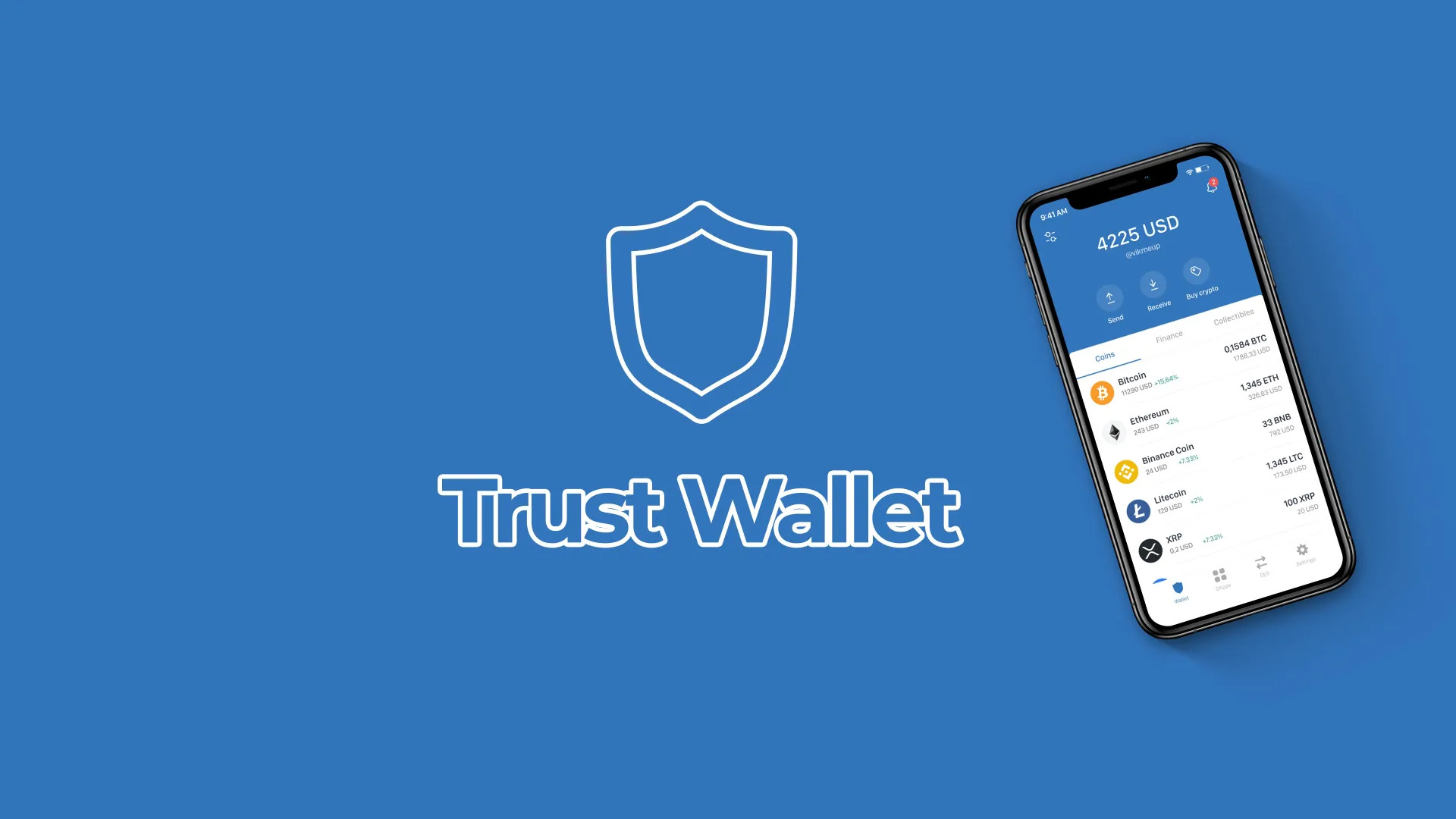
Okay, so check this out—when I tested truts wallet it hit a lot of the right notes for me, especially around connector safety and portfolio clarity. truts wallet felt intentional about session scoping and showed contract-level summaries before approvals, which is rare. Really? Yeah—small things like „method-level approval“ and „time-bound sessions“ reduce cognitive load and cut down on accidental approvals, and those are the features that save money in the long run. On the DeFi integration front, it had native hooks for common strategies and surfaced audit badges and liquidity depth without being noisy. I’m not 100% sure it’s perfect for everyone, but for multichain users who value safety and a coherent portfolio view, it’s worth a try.
Practical checklist for wallet shopping: Whoa! Ask these questions—Does the connector support per-method approvals? Can you revoke permissions easily? Does the wallet let you select RPC endpoints or provide redundancy? Is DeFi integration audited or curated? Does the portfolio reconcile bridged assets accurately and show pending tx states? Medium sentence. If the answers are yes to most, you’re in better shape than ninety percent of the field.
Trade-offs matter. Hmm… A heavily curated wallet will be slower to add the newest protocol, and a wallet that tries to integrate everything will probably ship without sufficient security checks. Initially I favored feature-rich apps, but over time I learned to prefer conservative expansion—add fewer, but higher-quality integrations. On the technical side this often means partnering with indexers, running your own relay nodes, and building a permission model that minimizes privilege.
Design tips for builders (short, practical): Whoa! Prioritize session scoping, method-specific approvals, and clear revoke flows. Medium sentence. Add staged transactions that explain what state changes each call will make. Longer thought—surface chain-specific warnings (EIP-1559 vs legacy gas, reorg risk, bridge history) so users don’t mix assumptions across networks and then wonder why a swap failed or why funds are stuck in transit.
For product folks: make the portfolio the identity. Really? Yep. Users want a single source of truth for net exposure. Short. That means showing not just token balances but yield sources, locked liquidity, vesting schedules, and cross-chain bridges with time-to-finality estimates. If people can see where risk originates, they make better choices, and that reduces help-desk load and improves retention.
Developer note—APIs and ext-connector contracts need careful versioning. Hmm… On one hand you want backward compatibility so older dApps don’t break; though actually, contract evolution without breaking user consent is a hard problem. Initially I thought semantic versioning for connectors would be enough, but then I saw subtle permission creep when dApps updated method signatures. The fix is explicit migration flows: require re-approval for new method classes and keep the user informed.
Final practical advice for users: I’m biased, but keep an audit eye on your wallet habits. Whoa! Revoke approvals periodically, use hardware keys for large holdings, and prefer wallets that let you view the exact calldata you’re signing. Medium sentence. And when using bridges, double-check the time-to-finality and slippage parameters; bridging often hides temporary exposure that shows up in portfolio trackers as phantom liquidity.
FAQ
What makes a dApp connector secure?
A secure connector enforces session-level isolation, supports per-method approvals, debounces duplicate calls, and presents clear transaction intent (what state will change and why). It should also allow easy revocation and log consent history for user auditing.
How deep should DeFi integration be in a wallet?
Depth over breadth—native interactions for common flows (staking, vaults, migrations) plus protocol-level safety flags are more valuable than shallow links to dozens of protocols. Curated, audited integrations reduce user risk.
Why is portfolio accuracy so hard?
Because multichain assets, wrapped tokens, pending txs, and bridge states complicate reconciliation. Accurate trackers use a mix of event indexing, RPC polling, and heuristics to map on-chain positions to user-facing holdings.